Prospective students

I supervise students through my joint appointment at UNSW Sydney (School of Biology, Ecology and Environmental Sciences—BEES) and the Australian Museum (Herpetology). I am fortunate to receive a large number of enquiries from prospective students, so I have outlined below how I approach supervision, what I look for in students, and how to apply. I encourage you to read this page carefully before getting in touch.

My work sits at the intersection of biodiversity conservation, amphibian biology, and emerging technologies for environmental monitoring. My research focuses on frogs and their conservation, particularly taxonomy and species discovery, bioacoustics, assessing extinction risk and identifying and mitigating threats facing species. I am passionate about the value of citizen science data, particularly the FrogID project, for which I am Lead Scientist. I am motivated by research that has real-world impact, whether that is informing conservation policy, improving monitoring approaches, or engaging the public in science.

As a supervisor, I aim to create an environment that is both supportive and ambitious. I care deeply about my students’ wellbeing, happiness, and professional growth, and I want them to genuinely enjoy their time in the lab. Research can be challenging, but the most rewarding outcomes come from curiosity, persistence, and a willingness to engage fully with the work. My goal is to help students grow into confident, independent researchers who are well equipped for careers in academia, conservation, or beyond.

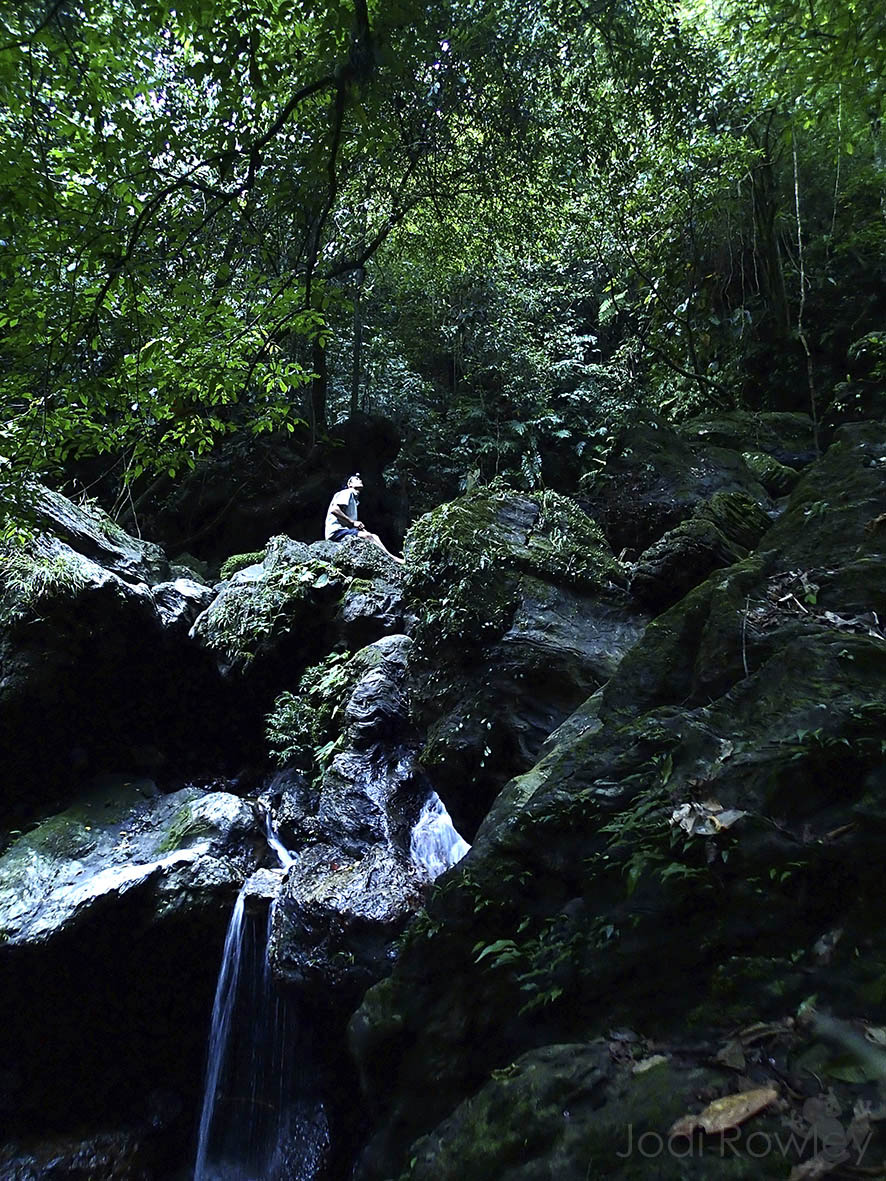
Qualities of a strong applicant

I am selective in taking on students, not simply based on grades or technical skills, but on overall fit with the research and the team. The most successful students in my group tend to be those who are deeply passionate about biodiversity conservation and genuinely motivated to make a difference. If you are obsessed with amphibians and/or reptiles, that is a bonus!

I value students who are proactive and self-driven- those who take initiative, seek out opportunities, and think critically about their work. Research rarely follows a straightforward path (especially if fieldwork is involved!), so resilience and problem-solving are essential. A positive team dynamic is incredibly important to me.

Students in my group are expected to take ownership of their development. Outreach and public engagement are central to much of my work, and I encourage students to develop skills in these areas alongside their research.

I value students who approach challenges with a positive, solutions-focused mindset and who are willing to put in the effort to produce high-quality work.

Alignment with my research

Before contacting me, it is important to ensure that your interests align clearly with my research areas. I am best able to supervise projects that sit within my expertise, and strong alignment is a key factor in successful supervision. I encourage prospective students to familiarise themselves with my recent work and to think carefully about how their interests and skills might contribute to, or build on, these research areas. Having a well-considered idea of what you would like to work on is not essential (although often helpful), but it is important to demonstrate that you have thought about your direction.

Degree pathways at UNSW

Honours

Honours at UNSW BEES is typically a one-year research-focused program (generally for Australian students) that follows an undergraduate degree and provides an excellent pathway into a PhD. Further information about the Honours program can be found here: https://www.unsw.edu.au/science/our-schools/bees/student-life-resources/honours

Masters (Research)

Research Masters degrees are available through UNSW and may be appropriate depending on your background and experience. These programs provide an opportunity to build research skills and can serve as a pathway to a PhD, however there tend to be fewer scholarship opportunities than for a PhD.

PhD

PhD positions are highly competitive. UNSW typically offers multiple scholarship rounds each year (usually two to three major rounds, depending on the scheme), and successful applicants generally have strong academic records, clear research alignment, and excellent references.

For international applicants, competitiveness is particularly high. In most cases, a strong application will include at least one first-author scientific publication, in addition to academic excellence and a well-developed research proposal. Information on HDR programs and scholarships is available here: https://www.unsw.edu.au/research/hdr/scholarships

Next steps

If, after reading this page, you believe that your interests and experience align well with my research, please get in touch (jodi.rowley@unsw.edu.au). The process typically begins with a concise email that includes your CV and a short statement outlining your background, research interests, and why you are interested in working with me. If there is a strong fit, I will invite you to a virtual meeting to discuss your interests and potential projects in more detail.

Potential PhD or Masters candidates are then asked to give a 15-minute presentation (online) to me and members of my team. This is an important part of the process. It allows me to assess your ability to communicate ideas and think critically, and it also gives you the opportunity to meet the broader team, ask questions, and determine whether the group is the right fit for you.